What I think about when I'm not working.
Videogames, Magic the Gathering and Warhammer miniatures. Three different hobbies, one shared taste for systems that reward patience and punish haste.
Videogames
Roguelites, slow RPGs and anything with an honest loop. Notes on what I am playing and what a good game system teaches outside the screen.
Magic the Gathering
Building decks, reading the meta and learning to lose well. Magic has taught me more about probability and system design than half the books on my shelf.
Warhammer 40K
I paint miniatures at strange hours. It is not the game — it is the table, the lamp, the silence and a coffee cooling next to the Lahmian Medium pot.
Most recent.

Hollow Knight, or difficulty as narrative
Hallownest does not punish you — it explains something to you. The difficulty in Hollow Knight is not a wall, it is the way the game tells you what its world feels like to inhabit.
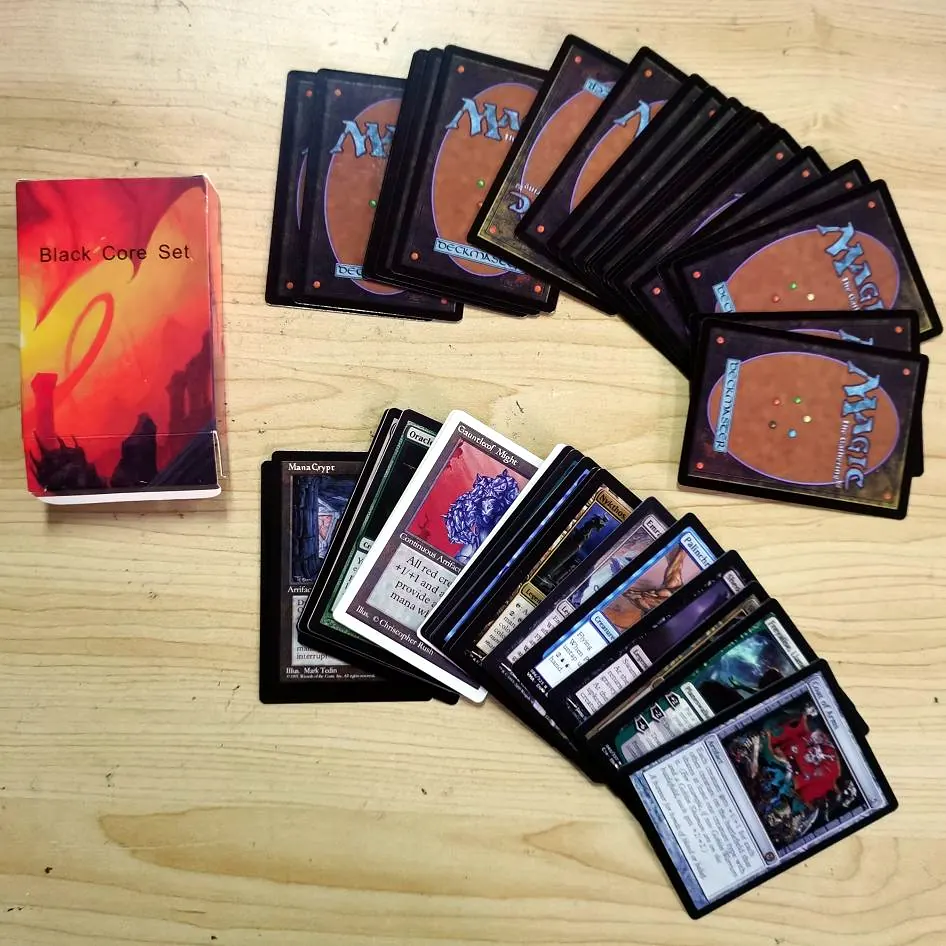
Magic taught me to think in curves before cards
Building a Magic the Gathering deck is a probability-modelling exercise that looks suspiciously like designing a detection architecture.

Silksong and why knowing how to wait is also discipline
I have been waiting for Silksong for years without losing my mind. A studio that refuses to commit to a date is protecting the game — and itself.
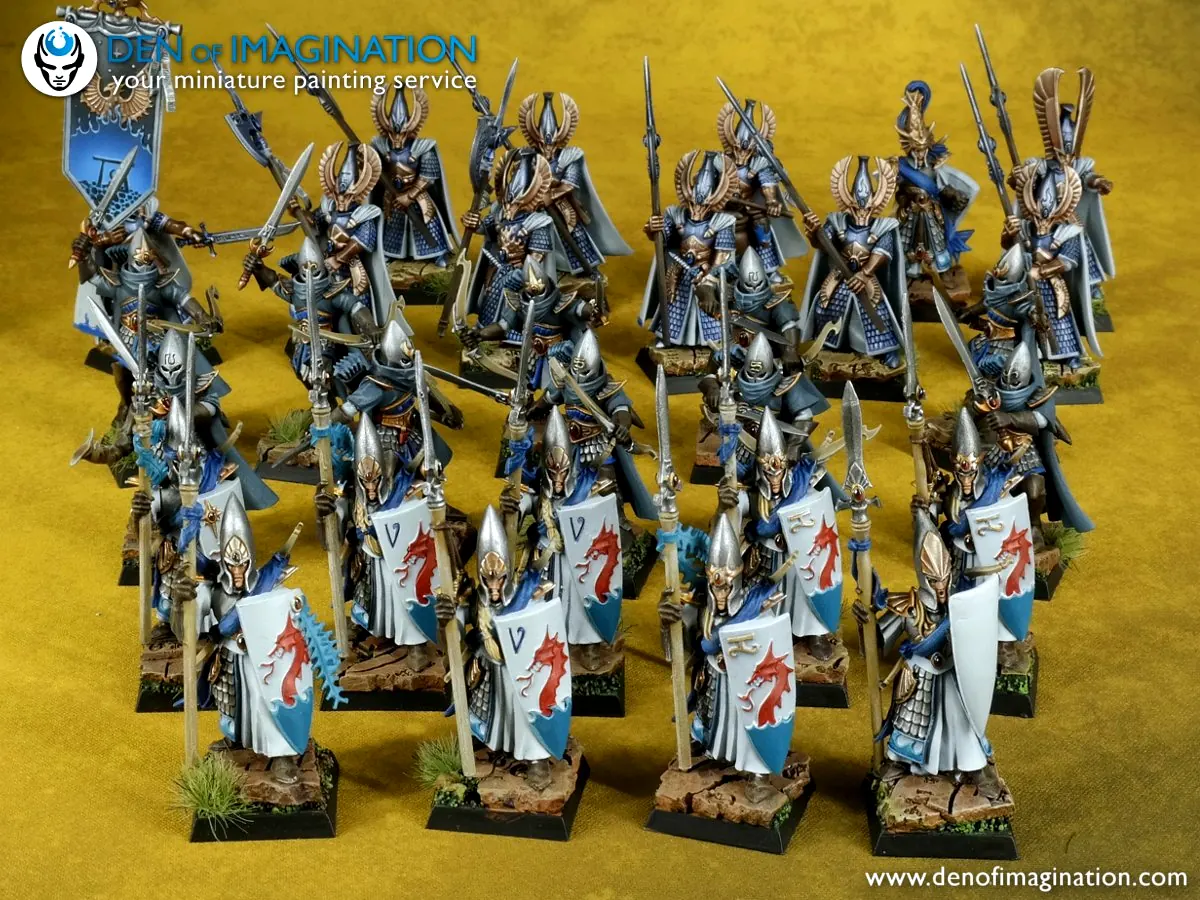
Painting miniatures at two in the morning
Warhammer is not the game — it is the table. Three hours with a Space Marine, a warm lamp and a cold coffee are the best mental reset I know.

Red Dead Redemption 2: slowness as respect
Almost everything the industry calls "unnecessary friction" in RDR2 is exactly why the game stays with you years after you finish it.
What a roguelite teaches you that an FPS does not
Hades and Dead Cells have taught me more about adversary simulation than many courses. Iterating over runs is the same as iterating over detection rules.