
Hollow Knight, or difficulty as narrative
Hallownest does not punish you — it explains something to you. The difficulty in Hollow Knight is not a wall, it is the way the game tells you what its world feels like to inhabit.
Few games I have finished three times. Hollow Knight is one of them, and I suspect I will go for a fourth when Silksong drops and I need to warm my hands. It is not nostalgia: every run I find something new in how Team Cherry builds difficulty.
Difficulty as the world’s response
The usual complaint is that Hollow Knight is “hard”. It is not — it is honest. Every boss telegraphs everything. Every zone teaches its mechanic before demanding it. Difficulty is not a wall: it is a conversation in which the game explains something and then asks you if you have understood.
In Hallownest, dying is not failure. Dying is information you did not have walking in. Recovering your Shade is how the game rewards you for processing it.
That turns a dynamic that punishes you in other games (losing money, falling back to the checkpoint) into a narrative beat: Shades pile up because the bug you control is one of many who came before. Your failure is not yours. It is your kind’s.
The Hollow Knight fight
The base game’s final fight — the Vessel containment — is where the design sharpens. The boss attacks you because it is broken, and you win not by dealing more damage but by understanding what that brokenness means. It is the only Metroidvania closing fight I remember where the emotional finisher matters more than the mechanical one.
What sticks
- The silence. Hallownest is not constantly scored. Whole zones sound only of dripping and wind. Other games try and feel empty. Here it feels reverent.
- Geo economy. You lose Geo, you recover Geo, you spend Geo. Friction is real but never cruel.
- The Charms. Every slot is worth something. The build-craft from limited combinations is more interesting than what many RPGs do with two hundred slots.
What I take elsewhere
Every time I review a security control and ask myself if the friction it adds is fair or just annoying, I think of Hollow Knight. Friction that teaches something deserves to be there. Friction that only delays, does not.
Keep reading.

Silksong and why knowing how to wait is also discipline
I have been waiting for Silksong for years without losing my mind. A studio that refuses to commit to a date is protecting the game — and itself.
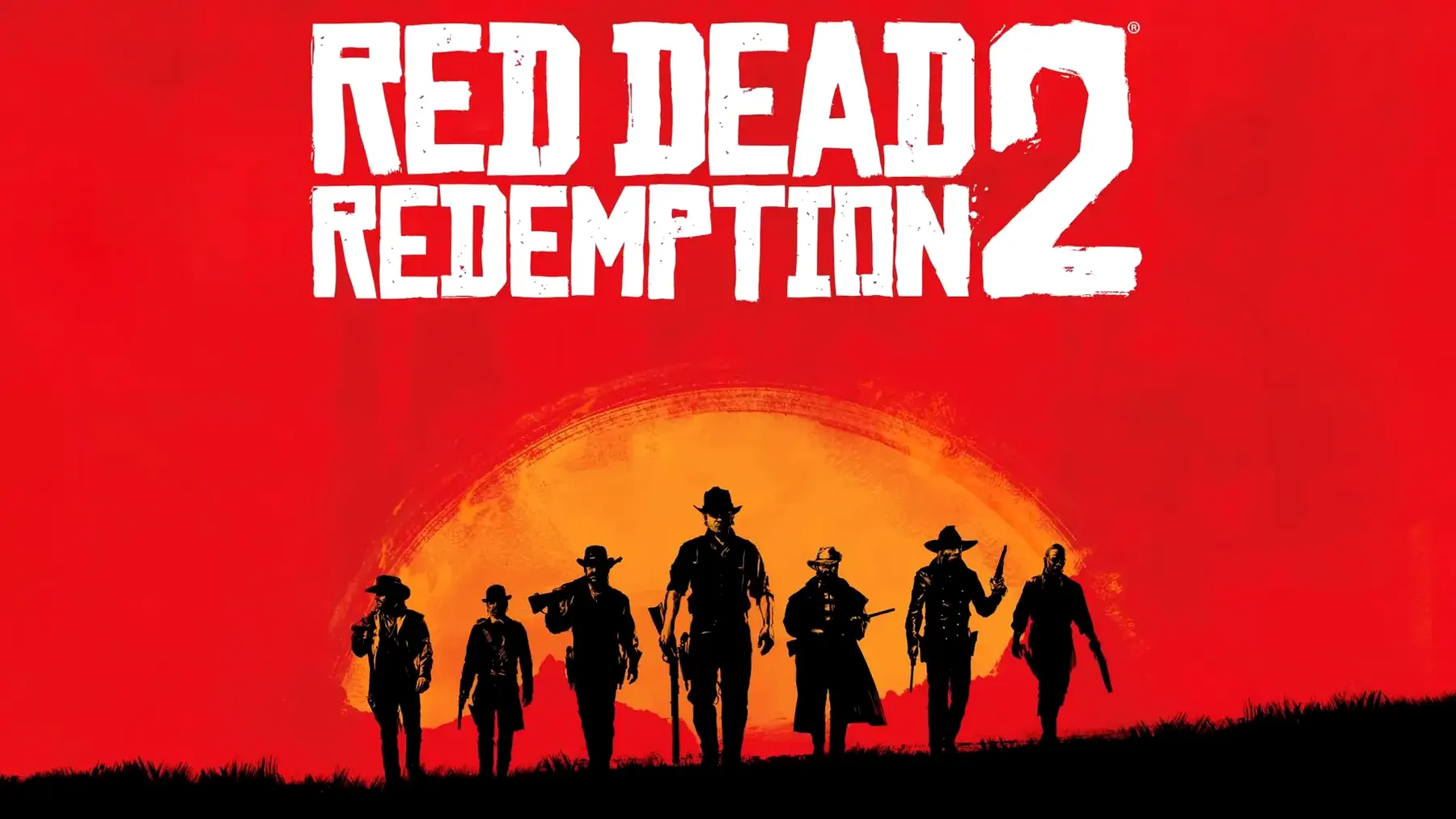
Red Dead Redemption 2: slowness as respect
Almost everything the industry calls "unnecessary friction" in RDR2 is exactly why the game stays with you years after you finish it.